
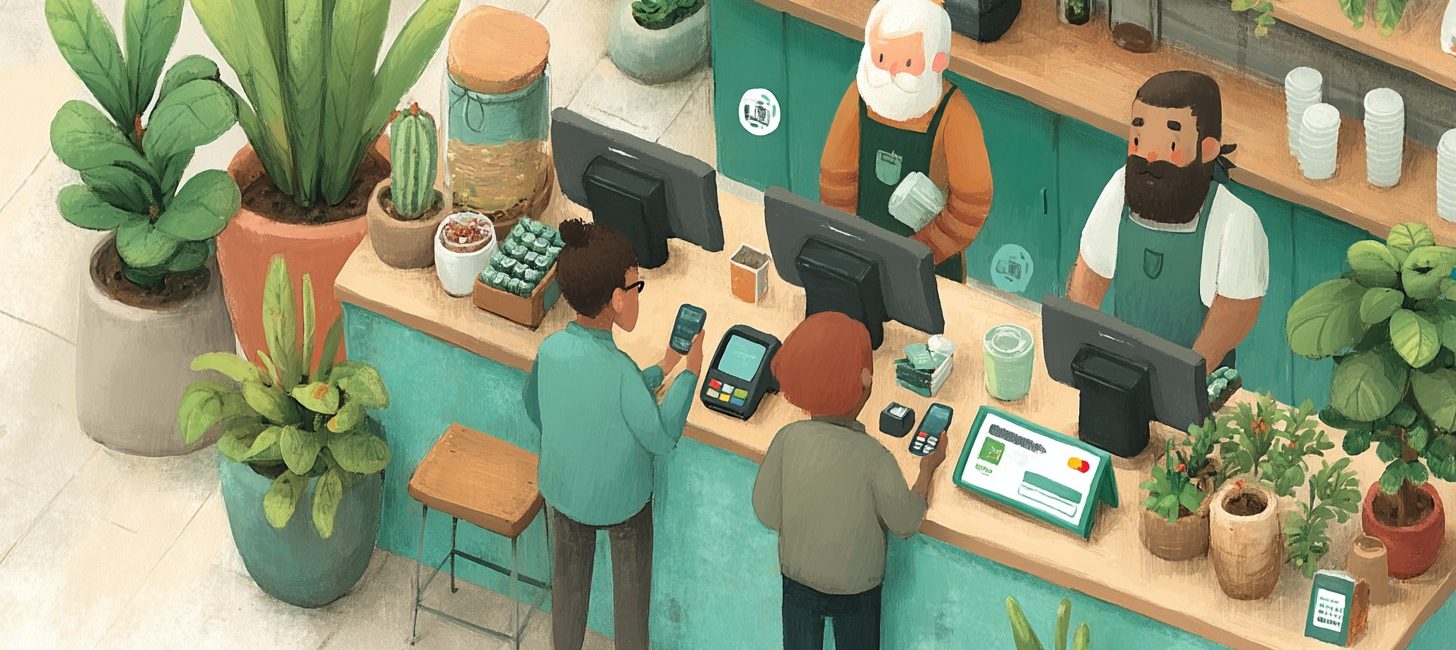
Diners expect restaurant payments to be fast, simple, and flexible. They do not want to wait for a terminal, search for cash, or stand in another queue after finishing a meal. In Pakistan, contactless payments are becoming part of modern restaurant operations rather than an optional extra.
The country’s digital payment market is expanding quickly. Digital transactions, QR-enabled merchant payments, mobile wallets, and Raast transfers continue to grow. For restaurant operators, choosing the right Pakistan payment gateway is becoming an important part of delivering a smooth and reliable checkout experience. This trend shows that customers are becoming more comfortable with digital payments across retail, food service, delivery, and e-commerce.
Restaurants can use this shift to improve checkout speed, reduce cash handling, support online ordering, and collect better sales data. However, the results depend on choosing the right payment methods and a gateway that fits the restaurant’s operating model, customer profile, transaction volume, and technical setup.
What are contactless payments in restaurants?
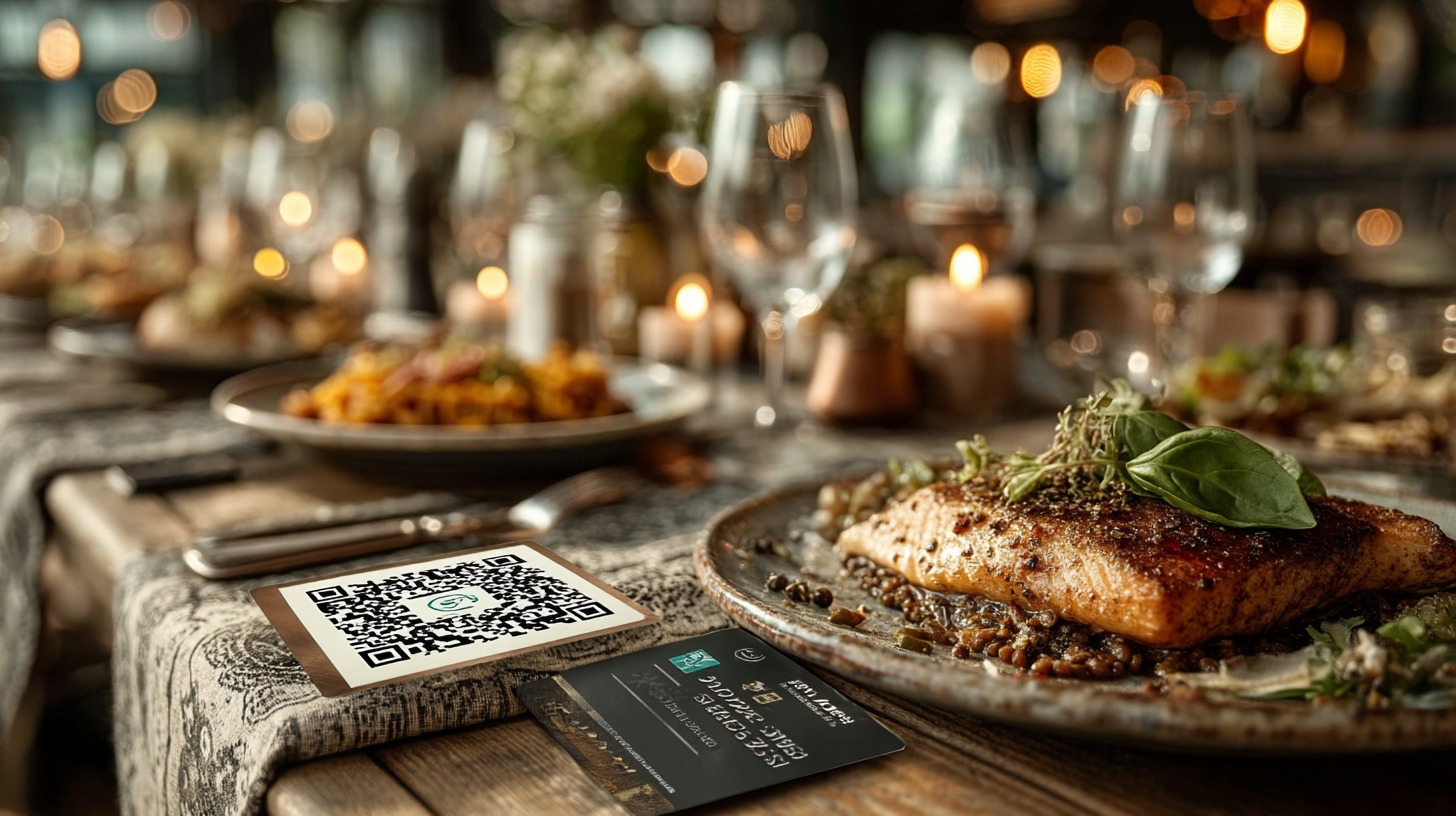
Contactless payments are transactions completed without inserting a card into a terminal or exchanging cash. Customers may tap an NFC-enabled card, use a smartphone wallet, scan a QR code, open a payment link, or pay through a restaurant app. These options now form an important part of the broader range of online payment methods in Pakistan.
NFC, or near-field communication, powers most tap-to-pay transactions. A compatible card or mobile device sends encrypted payment information to a nearby terminal. The process usually takes only a few seconds and requires little physical interaction.
QR payments work differently. The customer scans a code through a banking or wallet app and approves the transaction. Static QR codes remain the same for every payment. Dynamic QR codes contain the exact bill amount and a unique order reference. Dynamic codes are usually better for busy restaurants because they reduce entry errors and simplify reconciliation.
Common contactless payment methods
NFC-enabled cards allow customers to tap a debit or credit card at the counter or table. They are familiar, fast, and suitable for both small and high-value bills.
Mobile wallets let customers pay from a smartphone. In Pakistan, services such as JazzCash and easypaisa are especially relevant. They can support wallet checkout, QR payments, payment links, and online transactions, depending on the merchant agreement. Many payment gateway providers in Pakistan now combine these options within a single platform, helping restaurants offer greater flexibility without managing several separate systems.
Raast is Pakistan’s national instant payment system. Its Person-to-Merchant service supports real-time payments between customers and businesses. A restaurant can display a Raast QR code at the counter or connect dynamic Raast payments to its POS or online checkout.
Payment links are useful for telephone orders, catering deposits, bookings, WhatsApp orders, and deliveries. The restaurant creates a link for a set amount and sends it to the customer, who pays on a secure checkout page.
Why contactless payments matter for restaurants
For restaurants in Pakistan, contactless payments are more than a convenience — they’re a competitive advantage. Here’s a look at the key benefits they bring to your business.
Faster checkout times
Traditional payments can require several steps: requesting the bill, printing it, bringing a terminal, waiting for authorization, and returning a receipt. Table-side QR payments or portable contactless terminals remove some of these steps.
The time saved is especially valuable during lunch hours, weekends, and other busy periods. Faster checkout improves table turnover and helps quick-service restaurants reduce queues. It also gives staff more time to focus on service instead of moving back and forth with cash or card machines. For many operators, the best payment gateway in Pakistan is therefore the one that shortens checkout without adding complexity for staff or customers.
Better operational efficiency
Digital transactions reduce the time staff spend counting cash, preparing deposits, managing change, and investigating shortages. Payments also create an electronic record that can be matched with the restaurant’s POS and accounting reports.
Support for dine-in, takeaway, and delivery
Many restaurants now sell through several channels. Customers may dine in, order from a website, send an order through WhatsApp, or request delivery.
A suitable gateway should support these channels without forcing the operator to manage unrelated systems. Ideally, one platform should provide counter payments, table-side QR codes, online checkout, payment links, app payments, and centralized reporting. For restaurants serving overseas customers or accepting foreign cards, an international payment gateway in Pakistan can also help create a more consistent payment experience across markets.
Improved customer choice
Customers do not all prefer the same method. One guest may use a debit card, another may scan a Raast QR code, and another may pay through JazzCash or easypaisa.
Offering several payment options reduces friction at checkout. It can also lower the risk of losing a sale when a customer cannot use the restaurant’s only available method.
Better sales data
Digital payment systems can show sales by location, payment method, order channel, and time of day. Operators can monitor average transaction value, failed payments, refunds, and settlement totals.
Payment gateway market in Pakistan
Pakistan’s market includes bank gateways, mobile wallet providers, payment service providers, fintech aggregators, and Raast-enabled solutions.
JazzCash offers merchant payment services for online businesses and supports secure digital checkout. Easypaisa also provides an online gateway and merchant tools for reviewing payments, settlements, and reversals.
Providers such as PayFast, Safepay, and PayPro offer different combinations of cards, wallets, bank payments, payment links, invoicing, QR payments, and Raast support. Banks may also provide direct acquiring and gateway services for established merchants.
Product availability, fees, onboarding requirements, and settlement terms may change. Operators should request current written proposals and confirm every commercial and technical condition before signing an agreement with a payment gateway in Pakistan.
How to choose a payment gateway
To find the best fit for your restaurant, consider these key factors when evaluating potential payment gateway providers:
1. Check payment method coverage
Start with customer behavior. Identify how guests currently pay and which methods they request most often.
Confirm whether the provider supports local debit cards, credit cards, Raast, JazzCash, easypaisa, bank payments, and international cards. Ask which methods are included under one agreement and which require separate onboarding.
2. Review POS and ordering integration
A payment gateway should connect smoothly with the restaurant’s POS, website, app, delivery system, and accounting tools.
Ask whether the provider offers an API, software development kit, hosted checkout, plugins, webhooks, and a sandbox for testing. A successful payment should update the correct order automatically. Staff should not need to compare screenshots or enter references manually.
3. Compare the total cost
Do not choose a gateway based only on the advertised transaction rate. Request a full written breakdown of merchant discount rates, setup fees, monthly charges, terminal rental, refund fees, chargeback costs, cross-border fees, taxes, and minimum commitments.
4. Confirm settlement terms
Settlement determines when the restaurant receives its money. Ask how often funds are transferred, whether weekends affect settlement, and whether timelines differ for cards, wallets, and Raast.
5. Assess security and compliance
Choose a provider operating within the relevant State Bank of Pakistan framework. For card payments, ask about PCI DSS compliance, tokenization, encryption, authentication, and fraud monitoring.
The restaurant should also secure its own systems. Staff accounts should use strong passwords and restricted permissions. Refund access should be limited, and transaction reports should be reviewed regularly.
6. Test mobile performance and reliability
Many customers will pay on a mobile connection rather than fast Wi-Fi. Test the checkout on different phones, browsers, and networks.
Review loading speed, QR scanning, one-time-password delivery, error messages, confirmation time, duplicate payment prevention, and receipt delivery. The system should clearly show whether a transaction is successful, failed, pending, cancelled, or reversed.
7. Review refunds and disputes
Restaurants regularly handle unavailable items, incorrect orders, duplicate charges, and cancellations. Staff should be able to issue full or partial refunds without a complicated manual process.
Ask how long refunds take and how chargebacks are managed. Keep order records, receipts, delivery confirmation, and customer messages so disputes can be handled efficiently.
8. Evaluate support
Payment problems often occur during evenings, weekends, and holidays, which are busy periods for restaurants. Check whether support is available during operating hours and whether the provider offers phone, email, chat, or a dedicated account manager.

Implementation tips
Introduce contactless payments in stages. Start with one location, counter, or ordering channel before expanding.
Train staff to recognize confirmed and pending payments. Do not accept a customer screenshot as final proof. Confirmation should come from the terminal, merchant app, gateway dashboard, or POS.
Place QR codes where they are easy to scan, but inspect them regularly to prevent tampering. Ensure the merchant’s name shown in the customer’s app is correct.
Maintain a backup process for internet outages or terminal failures. This may include a second connection, another terminal, a payment link, or cash.
Display accepted payment methods before checkout. Clear signs at the entrance, counter, menu, or ordering page can prevent confusion and reduce delays.
Track adoption after launch. Measure checkout time, failed payments, settlement delays, support cases, and customer feedback. Use the results to decide whether to add more payment methods, terminals, or deeper POS integration.
Before the full rollout, process several low-value test payments through every supported channel. Check successful transactions, failed attempts, refunds, receipts, settlement reports, and order matching. Because payment gateways in Pakistan can differ significantly in reliability, settlement speed, and technical support, record any delays or unclear messages and ask the provider to resolve them before customers begin using the system at scale.